Every fish and chip shop, gastro pub and takeaway owner knows the temptation. A competitor down the road adds loaded fries or a new chicken burger to their menu, footfall picks up, and suddenly you’re wondering whether you need to do the same. The problem is that most menu expansion advice assumes you can just throw more staff at it. In reality, most kitchens are already running lean, and finding, training and paying for extra hands isn’t always on the table.
Batch cooking changes that equation. Done properly, with the right frying and hot holding setup, it lets you widen your offering without touching your headcount.
The traditional route to a bigger menu is more prep, more pans on the go, and more people managing them during service. Add a new fried item, and someone has to be free to cook it to order, hold it at temperature, and get it out without slowing down your core fish and chip lines. For a lot of independent operators, that’s simply not realistic on a Friday night rush.
This is usually where menu expansion stalls. Not because the idea is bad, but because the kitchen isn’t set up to absorb it.
Batch cooking is exactly what it sounds like: preparing food in larger, planned quantities ahead of time or during quieter periods, then holding it safely until it’s needed. Instead of cooking each item to order throughout service, your team fries in efficient batches and relies on proper hot holding equipment to keep everything at serving temperature and quality until it goes out.
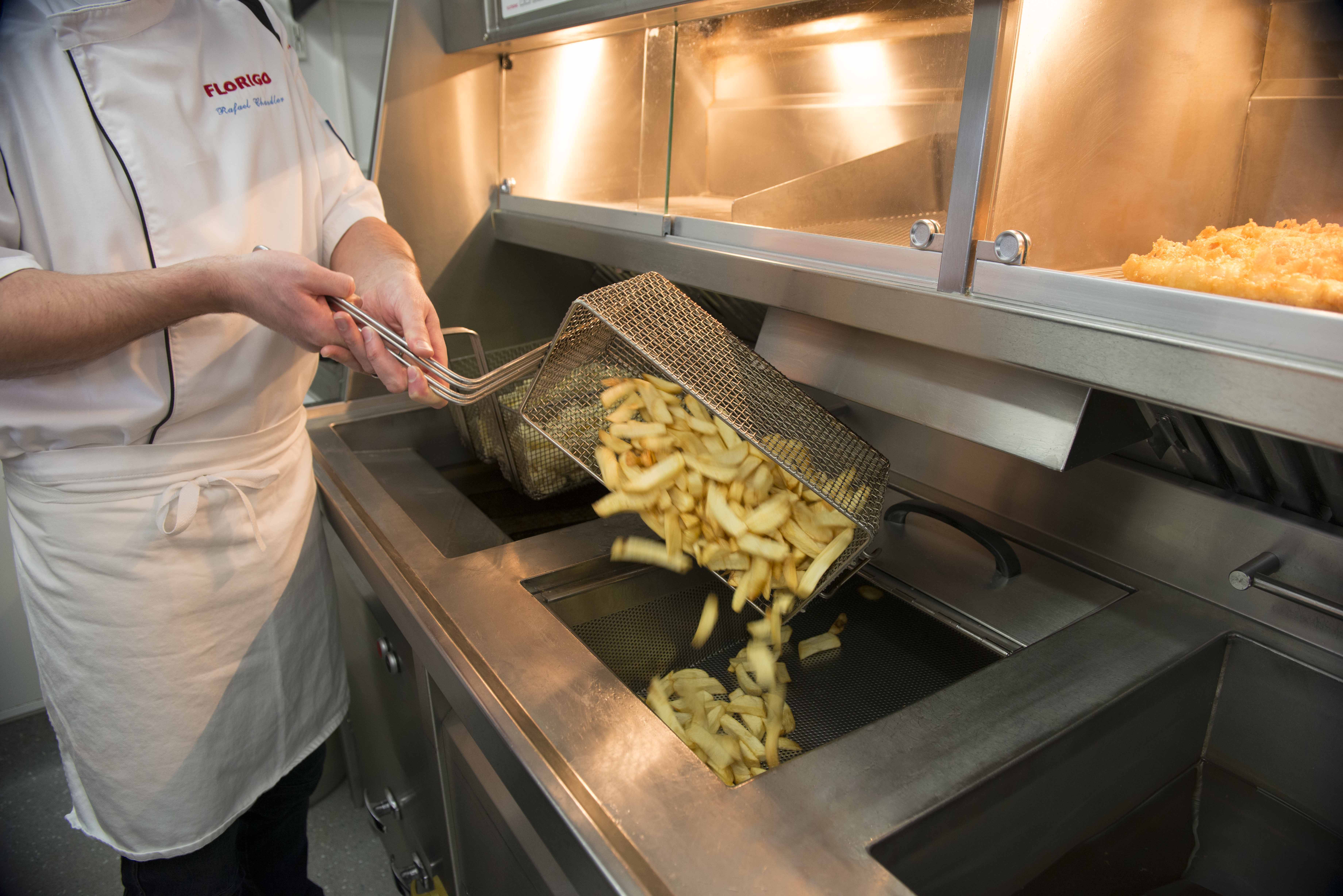
For fish and chip shops, this is already second nature with chips. The same logic applies to new menu items, whether that’s battered sausages, onion rings, chicken goujons or plant-based options, which means you can build volume without building a bigger team around it.
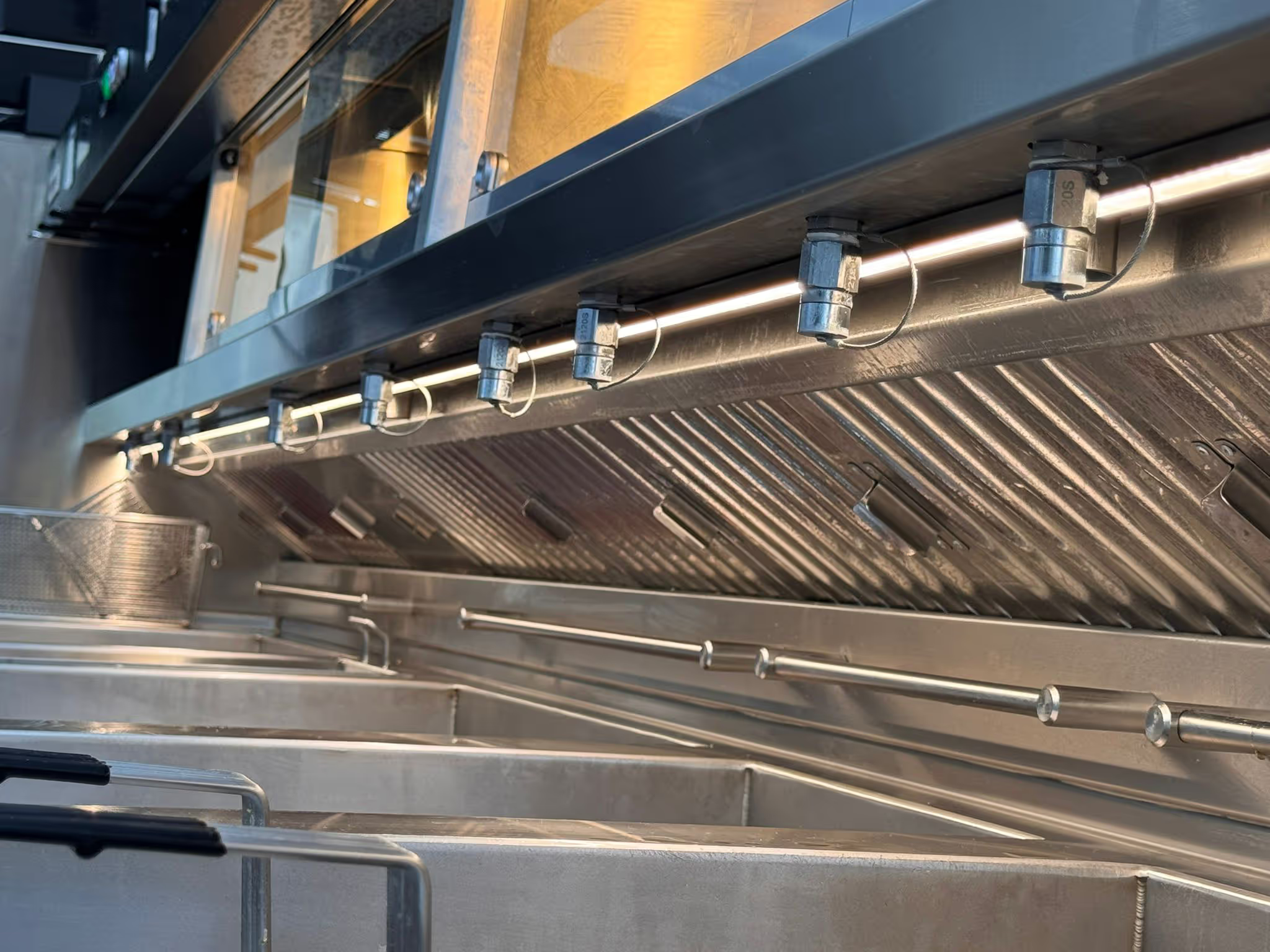
Batch cooking only works if your fryers and holding units can keep pace without compromising quality. This is where a lot of kitchens hit a wall with older or undersized equipment: either the oil heat recovery is too slow to batch cook efficiently, or there’s nowhere reliable to hold finished product without it going soft or dry.
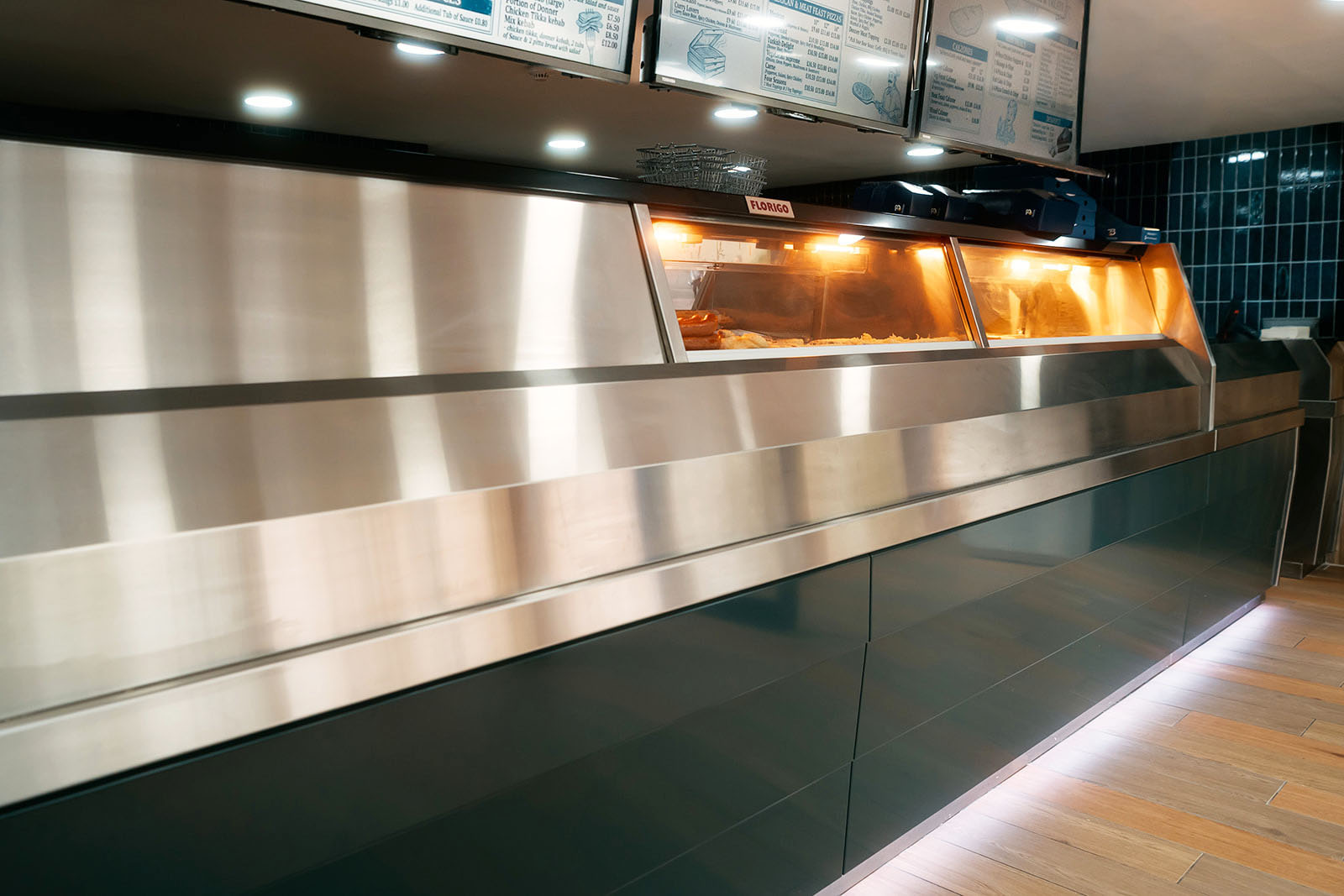
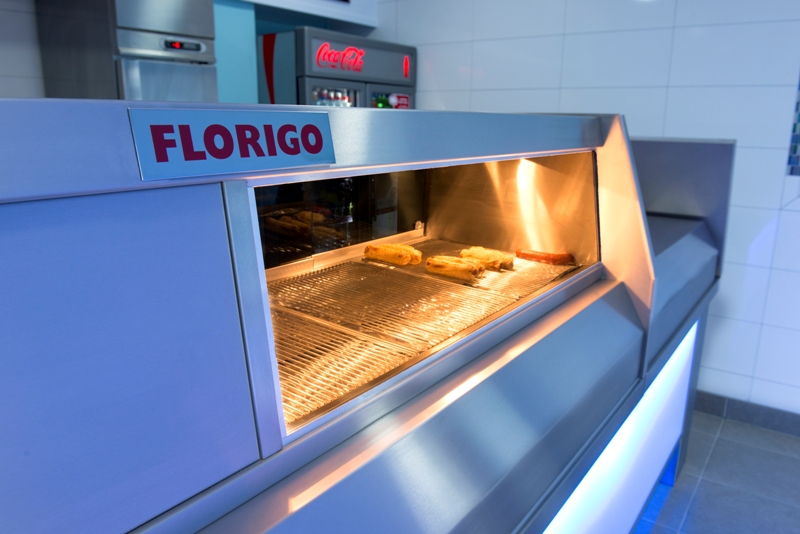
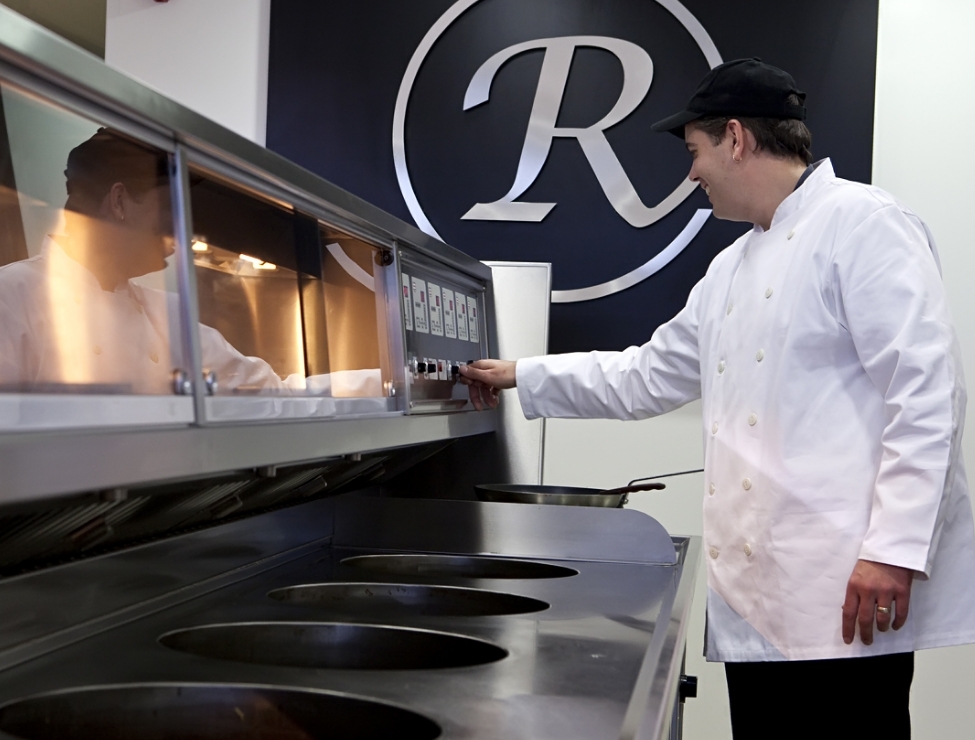
A well-specified multi-unit fryer range gives you the flexibility to run your core lines and a new item side by side, without one cannibalising the other’s capacity. Pair that with proper hot holding, and you’ve got a setup that lets one team member manage more output, not less.
This is often the real difference between a menu addition that works and one that quietly gets dropped after a few chaotic weekends.
A few examples of where this works well in practice:
Sides and add-ons such as onion rings, halloumi fries or battered sausages can be batch fried in quieter windows and held ready to serve, turning a single new line into extra spend per customer with almost no added service pressure.
Chicken and non-fish proteins, popular with gastro pubs looking to widen beyond a traditional fish and chip offering, batch well and hold reliably when the equipment is right.
Plant-based options, which continue to see steady demand, are well suited to batch preparation since they’re often pre-formed and predictable to cook in volume.
Click and collect and delivery prep benefit hugely from batch cooking, since orders can be built from a ready-held selection rather than cooked entirely to order, keeping ticket times down during peak periods.
The appeal here isn’t just convenience; it’s the numbers. Adding two or three complementary items to a menu, without adding a single extra shift, can lift average transaction value noticeably. You’re spreading your existing labour cost across more revenue, rather than adding cost to chase more revenue.
For owners weighing up whether a menu expansion is worth the disruption, batch cooking is often the answer that makes it viable in the first place.
The starting point isn’t the menu, it’s the equipment. Before adding new items, it’s worth reviewing whether your current frying range and hot holding setup can actually support batch volumes without a drop in quality. Florigo works with fish and chip shops, restaurants and multi-site operators across the UK to design ranges that make this kind of expansion straightforward, not stressful.
If you’re considering a bigger menu without a bigger team, get in touch, and we’ll help you work out what your kitchen actually needs to make it happen.
.svg)
.svg)
.avif)
.avif)
.avif)

%20(1).avif)

.avif)